
How To Build a Better Wiring Harness (Without Overcomplicating it)

If you're trying to build a better wiring harness…we get it.
The cables and wires that carry power and signals through a vehicle or machine don't route themselves. They don't cleanly organize or carefully secure themselves. And these engineered pathways definitely don't protect their own from heat, abrasion, vibration, and moisture.
That's all on you. It's on you to keep everything safe, serviceable, and built with intention–to prevent failures before they start and to leave the next person with something clean and durable, not chaotic.
You need a better wiring harness, and we're here to help you build it.
Why Wiring Harnesses Fail (and Why Yours Doesn't Have to)
This guide explains why wiring harnesses fail and how to choose the right materials to build a reliable, long-lasting harness.
Understanding what makes a wiring harness fail makes it easier to build one that doesn't.
Whether you're working with a custom or aftermarket wiring harness, they don't fail because the wire is bad. Not usually. They fail at stress points where the harness interacts with the environment. That's its job, though. That's where the wires live, so it's where the harness goes. Tucked into cramped, tight compartments. Smushed behind radio interfaces. Squished behind GPS screens, HVAC controls, instrument clusters, door panels, and more.
None of this is the installer's fault. It's just that the vehicles and machines you're working on don't give you a lot of space to work in. And tight spaces are just the start. It's what happens inside those spaces that really beats up on a harness, causing it to fail.
A failed harness doesn't just kill a wire. It takes down sensors, modules, and entire vehicle electronics. (Or the entire vehicle.) And when that happens, the symptoms almost never point to the real problem, which makes diagnosing wiring problems a nightmare.
The truth is, there are two real reasons why wiring harnesses fail: the conditions they live in and the weak points those conditions expose.
What Are The Punishing Environments That Kill Harnesses
This section is all about what the machine does to the harness. What forces are acting on the harness inside those cramped spaces? The vehicle creates these places and conditions, and our automotive electrical harnesses just have to deal with them. It's always been this way.
The problem is that every one of these forces is constant. Vehicle wiring problems happen in cramped spaces that are never gentle. And none of this is optional. You can route carefully, secure everything, and still, the punishing environments will wear it down over time.
Here are the forces that don't take turns bombarding your vehicle's wiring harness:
- Heat zones: Concentrated heat pockets and near-engine installs are prone to insulation softening and accelerated wear. Heat speeds up every other failure mode.
- Vibration: Constant shaking in a vehicle turns tiny contact points into impact points. Over time, vibration saws through insulation and stresses electrical connectors.
- Movement & Flex: Hinges, steering columns, suspension, and moving parts force the harness to bend repeatedly. Repeated flexing weakens metals and plastics, making them less predictable and less reliable.
- Abrasion: Edges, brackets, bulkheads, and debris rub against harnesses as the machine moves. Even small impacts, short contact, and daily use wear down the outer protection over time.
- Moisture & Chemicals: Weather, water, fuel, oils, and fluids all find their way into tight spaces. Ingress leads to corrosion, voltage drops, and intermittent automotive wiring failures. Or worse.
That's the reality every harness lives in. Once you understand the forces working against you, the next question is, where do those forces hit the hardest?
Where Are The Typical Wiring Harness Weak Points
This section is all about automotive wiring harness problems. We're talking about weak spots where the environment, harness routing, and the vehicle's daily use (or abuse) finally find something they can take advantage of.
The more we drive, the more wear your automotive wiring harness is exposed to. And the more we modernize, update, and aftermarket install more vehicle electronics, the more demanding and challenging wiring harness installations become.
Let's look at the most common places where typical wiring harnesses fail:
- Exposed runs: Sections of the harness that sit against heat, vibration, or abrasion zones take the full force of the environment. Left unprotected, these runs wear down fast and fail early.
- Branch points: Where the main trunk splits into smaller legs, those branches move independently. All that flexing and twisting work-hardens copper and stresses insulation. Branches are always vulnerable.
- Connector interfaces: The junctions where wires terminate into plugs aren't built for mechanical load. Vibration loosens terminals, pulls on pins, and creates intermittent automotive electrical failures long before the wire itself wears out.
- Unsupported spans: Long stretches between mounts or ties always move more than expected. That movement leads to abrasion, fatigue, and eventually shorts — especially in high-vibration or high-motion environments.
- Contact points: Anything, anywhere, any place the harness touches becomes a slow-grind wear zone. Even light rubbing over time can cut through wiring loom, sleeving, and insulation.
- Service points: Areas touched, pulled, or disturbed during maintenance become repeat electrical failure locations. Every service event risks mis-routing, over-tensioning, or stressing the harness in ways it wasn't designed to handle.
The reality is that every harness has weak points. They're built into the machine, the routing, and the way the vehicle moves. The only way to keep weak spots from becoming fast failures is to protect your harnesses properly and build them better. And we're about to show you how easy that actually is.
How to Build a Better Wiring Harness: Step-By-Step
The secret to building a better wiring harness is simple: match your protection level to the conditions your harness lives in and the weak spots it naturally has.
Step 1: Start With a Bundling Plan
Before you touch a single wire, map out the harness path. Identify where it runs, where it splits, and where it's exposed to heat, abrasion, or vibration. Mark your branch points, decide where breakouts need to happen, and note any areas that must stay serviceable. Estimate your final bundle diameter so you choose the right sleeving or loom size.
This quick planning pass tells you exactly what materials you'll need and prevents surprises later.
A better harness starts with a better plan.
Step 2: Pre-Bundle and Align Your Wires
Once you know the path, lay out your wires and match them to length. Align them so they flow together naturally and run parallel–no crossing, twisting, or bunching. Use low‑tack tape or releasable ties to hold the bundle loosely while you sort and adjust. This keeps the wires from tangling and gives you a clean starting point.
A better harness is neat from the start, not fixed later.
Step 3: Choose Your Protection Layer
With your wires behaving and your bundles taking shape, it's time to choose how to protect them. Think about the threats facing your particular install. Heat cooks wires. Abrasion cuts through insulation. Vibration pushes connectors apart. Moisture creeps into connections. It's a vehicle-eats-wires world out there, and our harnesses are just living in it.
This step is where you match real-world environments to the right protection category, so your harness actually survives what you're about to put it through.
Braided Sleeving–Flexible, Expandable Abrasion Protection
Braided cable sleeving is your flexible, go-anywhere protection layer. It expands to fit over uneven bundles, conforms to bends, and shields wires from abrasion without adding bulk. Use it for runs that need to flex, snake through tight spaces, or route cleanly around curves and corners.
A better wiring harness protects flex points and moves with your wires, not against them.
Split Loom–Rigid, Serviceable Protection for High-Wear Areas
Split wiring loom tubing gives you a tougher, more structured layer of protection. It resists crushing, dampens vibration, and prevents abrasion in high-contact zones. The slit design lets you add or remove wires at any time, making it ideal for engine bays, underbody runs, and anywhere the harness might rub, rattle, or get bumped during service, maintenance, or use.
A better wiring harness stays protected and serviceable.
Heat Shrink–Permanent, Sealed Protection for Critical Sections
Heat shrink tubing is what you use when you want a sealed, locked-down, no-movement finish. It grips the bundle, seals out moisture, and reinforces transitions and branch points. Use it for final terminations, strain-relief zones, and any area where you want the harness to stay exactly where and how you built it.
A better wiring harness locks down the sections that matter most.
Specialty Protection for Chemicals, Fuels, Oils, & Water
Some environments demand more than standard sleeving or loom. Adhesive-lined heat shrink is waterproof. It seals out moisture and contaminants. Heavy-wall heat shrink adds brute strength and rugged impact resistance, plus extra insulation. Specialty sleeving materials resist chemicals, fuels, oils, and constant exposure to caustic and other fluids— perfect for marine, industrial, and under-vehicle applications.
A better wiring harness is safe from vehicle and weather damage. A waterproof harness is made with adhesive lining.
Step 4: Add Strain Relief
With your protection plan in place, it's time to reinforce the weak spots most prone to abuse and wear. Strain relief is the installer's trick that keeps a harness alive. Never leave runs exposed. Double up protection where the bundle bends. Reinforce all branches with looms. Use extra reinforcement near high-heat zones (like engine blocks or exhaust), contact or impact points, and high vibration zones. Finish your looms with heat shrink so nothing shifts or loosens. Finish your braided sleeving with heat shrink to stop fraying. These little reinforcements are small upgrades that make all the difference.
A better wiring harness is reinforced where the stress actually happens.
Step 5: Secure the Run
After reinforcing the stress points, the next step is keeping your loom exactly where you put it. If you're working with long looms, clean and durable runs only happen with reliable securing.
Long sections of loom will shift, rotate, or split open over time unless they're anchored. Lock the ends of long looms with heat shrink, then support the run. Use Nylon 6.6 cable ties (or upgrade to stainless steel) every 12-18 inches to prevent long looms from sagging or creeping. Attach cable tie mounts so the loom doesn't rub or twist. Pro-tip: Keep the seam turned away from abrasion and pay extra attention to heat zones.
A better wiring harness supports and stabilizes long looms from end to end.
Step 6: Label and Finish
Okay, listen. We know this step sounds silly. And many of you will likely want to skip it. But here's the thing. If you want a better wiring harness, take the extra two minutes now and just label it before you quit.
We're not talking luggage tags, here. Use whatever labeling method you'll actually stick with. Custom printable heat shrink snugs down tight with hi-res printing that stays legible for the life of your install. It's OEM-clean, vibration-proof, and impossible to misread. You can even brand your work if you want to take it to the next level.
And if you're building more than one harness a year, a labeling machine will save you hours of tracing and second-guessing for clean, consistent labels every time. Label individual wires inside the harness and the wiring loom itself, so every circuit stays obvious even years later.
Future-you will thank you. The next person who drives this thing will thank you. And if the wiring harness ever needs to be repaired, upgraded, or diagnosed, this is the step that saves hours of frustration, tracing, guessing, and probably a little swearing.
Materials You Need To Build a Better Wiring Harness
You started this guide because you want to know how to build a better wiring harness. A wiring harness that doesn't fail in the same cramped, punishing environments that destroy typical ones. A wiring harness that is strategically planned and securely routed. One that actually holds up, not by chance or luck, but from intention…and from using the right materials.
And yes, we offer free samples
Every step you've taken here removes a weak spot, shields a vulnerability, and protects against the war of road, wear, and weather about to attack your wiring harness. The environment is brutal, but that's just part of the job. How well you build it–well, that's up to you.
A better wiring harness isn't complicated. It's just built on purpose, smarter from start to finish.
If you're ready to build yours, every material in this guide is right here at BuyHeatShrink.com.
Get what you need, build it right, and make your next wiring harness the best one ever.


About the Author

Types of Heat Shrink: What They Are, and What They’re For
September 9, 2020
How To Remove A Cable Tie
August 10, 2020

10 Types of Electrical Connections and How They’re Made
March 10, 2021

The Top 10 Do's and Don'ts of Heat Shrink
November 10, 2023

How to Use Heat Shrink Wire Connectors
November 5, 2023
The Best Off-Road Vehicle Upgrades for Reliable Trail Performance
October 15, 2026

The Complete Hunter’s Guide to Better Outdoor Gear
September 30, 2026
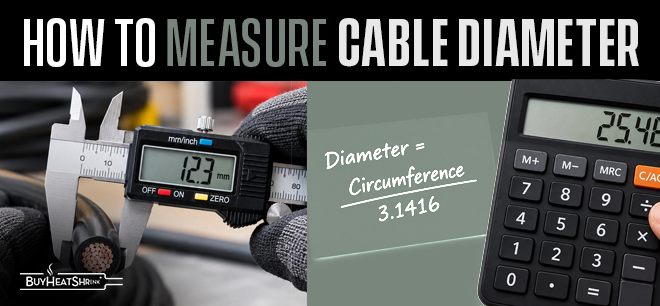
How to Measure Cable Diameter
September 29, 2026
Road-Worthy: How Sleeving Helps Long-Haul Trucking & 18-Wheelers Get It Done
September 10, 2026