
Last Minute Holiday Wiring That Won’t Burn Down Your Home

Last Minute Holiday Wiring That Won't Burn Down Your Home
Pine boughs heavy with snow. Peppermint and sugar cookies. Matching gloves, scarves, and pom-pom hats. It's winter, and we all know what that means.
Everyone is frantically Googling, "Holiday lights near me," and the lines at the hardware stores are impressively tedious. While your neighbors are smuggling 7-foot, inflatable reindeer onto their roof, someone down the block is testing a holiday light projector that makes their house look like the Las Vegas Strip.
For some of us, holiday lighting is a competitive sport. For others, it's a quiet reprieve. (Or a Stranger Things reunion.) But either way, this winter, what matters isn't the size of the display, but the integrity of the wiring that powers it.
Holiday Wiring Myths That Spark Trouble
Each December seems to sneak up on us. One weekend we're raking leaves. The next, we're looking for something to use as Frosty's corncob pipe. There's always company on the way. You have gifts to wrap and a sidewalk that needs salted. The pace is relentless.
We change seasons, holidays, and decorations every couple of weeks this time of year. So when the lights finally come out of storage, it's no surprise that shortcuts sneak in. Long to-do lists and short days lead to accelerated decision-making, improvisation, and quick fixes that are never up to snuff (or code).
In the winter cold and chaos, we're more likely to lean into false reassurances. We're more likely to believe that our shortcuts are safe, and we're more likely to fall victim to winter wiring myths.
Myth #1: "It's just for a few weeks…"
Holiday light installations are only temporary. We put them up and take them down two weeks later. Surely, they'll be fine.
The truth is: short-term setups and improvised connections are notoriously unsafe. Temporary displays mix adapters, loose plugs, and unlisted joins. They almost never have proper strain relief at terminations. Weak junctions become localized hot spots that accelerate insulation breakdown, melt plastic housings, and can ignite combustibles nearby. Loose plugs, cheap parts, and worn outlets add resistance, and every extra bulb adds extra burden.
The solution is: Treat your holiday light installations with the same integrity as permanent installs.
- Use only listed connectors and extension cords.
- Replace worn plugs and damaged strings outright.
- Protect good runs with braided sleeving to prevent abrasion. It also expands to bundle multiple cords, adds strain relief, and allows heat to dissipate through airflow.
- Route and secure cords cleanly with cable ties.
- Use custom printed heat shrink labels to make teardown safer and prevent mixups.
Myth #2: "One outlet can handle these holiday lights…"
Holiday lights don't use that much power, right? It's only a couple of strings, and the breaker will trip before it's dangerous.
The truth is: decorative loads add up quickly. Every string of twinkling lights and dangling icicles draws electrical current. Even before the projector and inflatables, total amps climb fast. But your outlets and breakers have a fixed limit (and it's usually only 15-20 amps). Daisy-chaining and overloaded outlets push circuits past capacity. Breakers aren't designed to babysit unsafe wiring. By the time a breaker trips, damage from overloading and overheating is probably already underway.
The solution is: Distribute holiday lighting loads safely by routing them to multiple outlets.
- Guide runs where you actually want them with cable tie mounts and adhesive bases. Specialty routing hardware lets you attach cable tie loops and loads to glass, metal, or plastic without drilling.
- Secure seasonal displays with reusable hook-and-loop cable ties or releasable ties.
- Color code runs by destination (or circuits) with matching cable ties and braided sleeving.
Myth #3: "Tape is good enough…"
My fingers are too cold to mess with my outside holiday lights anymore right now. The tape will hold for a couple of weeks, and it'll be fine.
The truth is: electrical tape isn't a permanent insulator, and in the winter, it's even worse. Seasonal stress, cold weather, moisture, and UV exposure cause tape to peel, crack, and slip. It stretches under tension. It loosens and leaves gaps and conductors exposed. Christmas lights might be temporary, and electrical tape is usually a great temporary solution, but the cold compromises its dielectric protection immediately, not over time. Cold-induced brittleness ruins electrical tape, and it's after your holiday lights, too.
The solution is: protect outdoor wiring with products that actually survive winter conditions.
- Retire damaged strings altogether, don't patch them with tape.
- Reinforce cord ends, plugs, and terminals with dual-wall heat shrink for waterproof insulation that actually works.
- Choose cold-resistant cable ties that stay flexible in freezing temperatures.
- Use a cable tie installer to lock ties in place with your gloves on.
- Bundle and shield supporting cords with braided cable sleeving to resist abrasion and cold-induced brittleness. (It's American made and cold-rated to -103°F.)
Myth #4: "Old lights are fine if they still glow…"
We dig out the same box of lights every year to "test them". If the bulbs light, the wiring must be safe.
The truth is: holiday lights are built for temporary displays, not multi-year use. Glowing lights might be "working," but that doesn't make them safe. Old Christmas lights hide cracked insulation, brittle sockets, and corrosion. Twisted strands are already difficult to mess with, and we're all trying to save money this time of year. But every season of bending, cold, prolonged use, and prolonged storage accelerates wear and danger. Think of last year's string lights as aging equipment. The hazards are very real, even if they're still twinkling away.
The solution is: retire aging strings and protect new ones with products that extend their life.
- Inspect cords and sockets each season. Discard any with cracks, stiffness, or rust.
- Ideally, we should all start with new holiday lights each season anyway. That's what the labels on all the lights say, too.
- Store lights indoors in clean spools secured with zip ties to prevent kinks, stress points, and tangles.
- Mark runs with heat shrink labels or use a heat shrink printer for permanent, legible IDs that simplify teardown and next-year setup.
How To Wire Holiday Lights Safely
Holiday wiring myths like these thrive in the winter. The season creates the perfect conditions for them to feel believable and convenient. Shortcuts for a shorter amount of time seem safer, but they never are. It's easy to underestimate how quickly environmental stress like cold, moisture, and salt attacks wiring, insulation, and connectors.
That means in the winter, when you're the most tempted to rush and improvise, is exactly when we all need to slow down. Holiday decorations spark about 835 home fires each year, and Christmas trees add another 143. Together, these holiday hazards result in approximately $30 million in property damage annually.
While none of us ever thinks it will happen to us, the grim reality is that it could.
Luckily for you, we're here to share the practical guidance you need to wire holiday lights safely indoors and out this winter. Think of it like a simple checklist—fast, easy steps to keep your lights shining brightly and safely all season long…and so your house doesn't burn down.
Step 1: Inspect before you install
Check every string before plugging in. If it's questionable, toss it. (If it's from last season, you should probably toss it, too.) If it's cracked, stiff, damaged, or rusted, toss it. Catching flaws early eliminates risk before power ever flows. Remember, replacing one bad string of lights is cheaper than repairing fire damage.
Step 2: Plan your routes
Map out where every cord will run in advance. Indoors, keep cords visible, not under rugs or pressed against dry garland or Christmas trees. Outdoors, keep runs free from foot traffic or low-lying spots where water and salt collect. Good routing prevents overheating, tripping hazards, and moisture intrusion. There are several factors at play, but using strong zip ties and solid mounting hardware will help you distribute power cords and electrical loads properly.
Step 3: Protect your connections
Use UL-listed connectors, weather-rated extension cords, and reinforce ends with dual wall heat shrink. Skip the electrical tape in the winter. It fails instantly in cold weather. Moisture and freeze attack exposed connectors first and make plastics stiff and brittle. Connections are the weakest point in any holiday light installation. Seal the connections you can reach, and keep them as dry and stable as possible.
Step 4: Distribute the load
Spread out holiday lights and decorations across multiple outlets and circuits. Know your breaker limits and don't daisy-chain cords or stack adapters. Overloading circuits is the fastest way to turn festive lights into a fire hazard. Balanced loads keep your display running smoothly, prevent surprise blackouts, and keep your energy bills in check. They also protect the pre-existing wiring inside your walls, so your temporary holiday installs don't overload or burn down.
Step 5: Organize for teardown and next year
Pack up your lights and cords with care, but don't expect them to last forever. The safest move is to retire them after their winter use, even if it's not the most popular opinion. Holiday lights are built for temporary installs, not permanent wiring. Reusing them for a second season carries the same risks as leaving them up year-round. It sounds silly (and dangerous) because it is.
You've got the steps now: inspect, plan, protect, distribute, retire. They're simple, fast, and practical. And they work whenever you apply them—last minute this year or right from the start next season. These steps safeguard you against the shortcuts and myths that creep in every December. So your head isn't filled with "good enough" justifications, and your home isn't full of dangerous holiday lights.
Safe Wiring & Happy Holidays
Safe holiday lighting isn't complicated math; it's ROI logic. Adding one extra extension cord, swapping a brittle plug, or replacing last year's twinkle lights with a new strand costs a few dollars. Ignoring it can cost thousands in damage, repairs, or worse.
We know it's harder to commit to safe wiring practices when your fingers, nose, and toes are very, very numb. (And your wallet and schedule are already stretched tight.) But spend a little time and money to protect your holiday lights now, so you can avoid catastrophic bills later.
For holiday light installations that hold up against cold, moisture, and strain, start with the products built for it. BuyHeatShrink.com is here for you all winter long, with cold-resistant cable ties, specialty mounting hardware, dual wall heat shrink tubing, and braided sleeving that actually work to prevent wiring failures.
Because, let's be honest, that 7-foot reindeer looks pretty awesome on your neighbor's roof. But the only part of Rudolph that should be red is his nose. Keep the wintertime wiring myths at bay with proven safeguards and premium products you can trust.
Your holiday lights deserve more than luck this year.
Get winter-ready lighting gear that keeps your holidays safe at BuyHeatShrink.com.
So you can light up the season without burning it down, and outshine every house (and reindeer) on the block.


About the Author

Types of Heat Shrink: What They Are, and What They’re For
September 9, 2020
How To Remove A Cable Tie
August 10, 2020
10 Types of Electrical Connections and How They’re Made
March 10, 2021

The Top 10 Do's and Don'ts of Heat Shrink
November 10, 2023

How to Use Heat Shrink Wire Connectors
November 5, 2023

The Best Off-Road Vehicle Upgrades for Reliable Trail Performance
October 15, 2026

The Complete Hunter’s Guide to Better Outdoor Gear
September 30, 2026
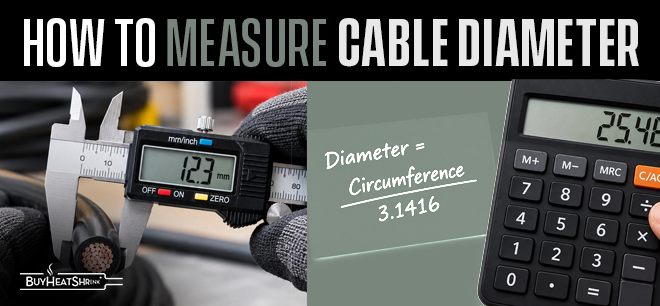
How to Measure Cable Diameter
September 29, 2026


Road-Worthy: How Sleeving Helps Long-Haul Trucking & 18-Wheelers Get It Done
September 10, 2026